This title may not be very appropriate, because I mainly want to write about the things happened the last week. But because this is probably the last time I sitting on Berkeley’s campus to write a blog, I would also like to talk about what I have seen and thought in the past five weeks.
The recipe I chose last week was fish-flavored shredded pork. This is a typical Chinese dish, belonging to Sichuan cuisine. The ingredients it needs are pork, carrots, black fungus, bamboo shoots, eggs, ginger, garlic, starch, cooking wine, salt, sugar, soy sauce, vinegar, and oil. After I had chosen the dishes I wanted to cook, it took me two days to go to Trader Joe’s and Temescal farmer market separately.
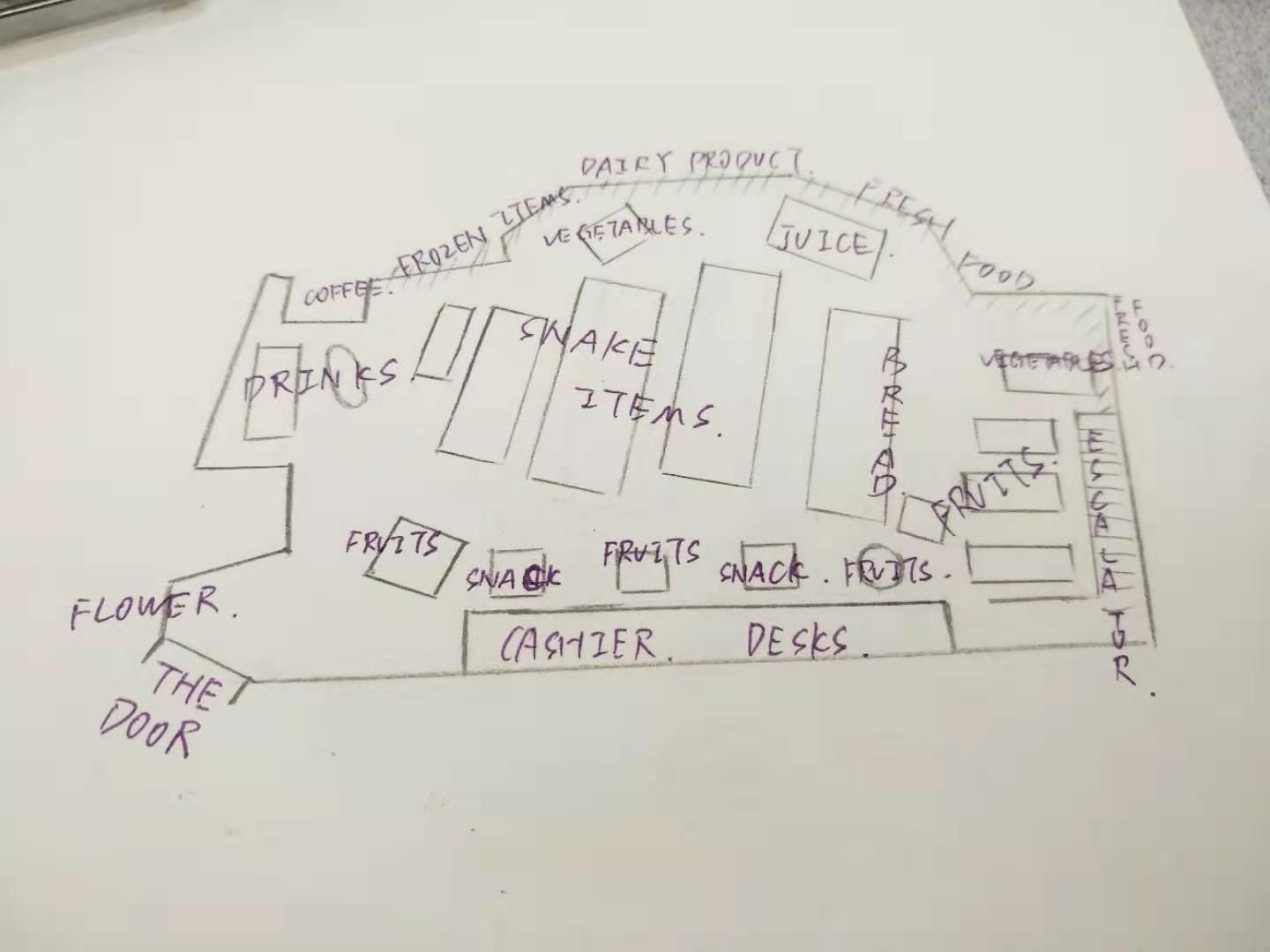
Last Friday, I spent a morning with Leo visiting Trader Joe’s, and we drew this map together. I think it’s easier to get fresh fruits and vegetables and packaged snacks, they’re right at the entrance and on the aisle shelves. Compared with that, we have to go to the other end of the supermarket to get the packaged meat, vegetables and fruits, and I think it is maybe because it’s more convenient to keep the refrigerator against the wall.
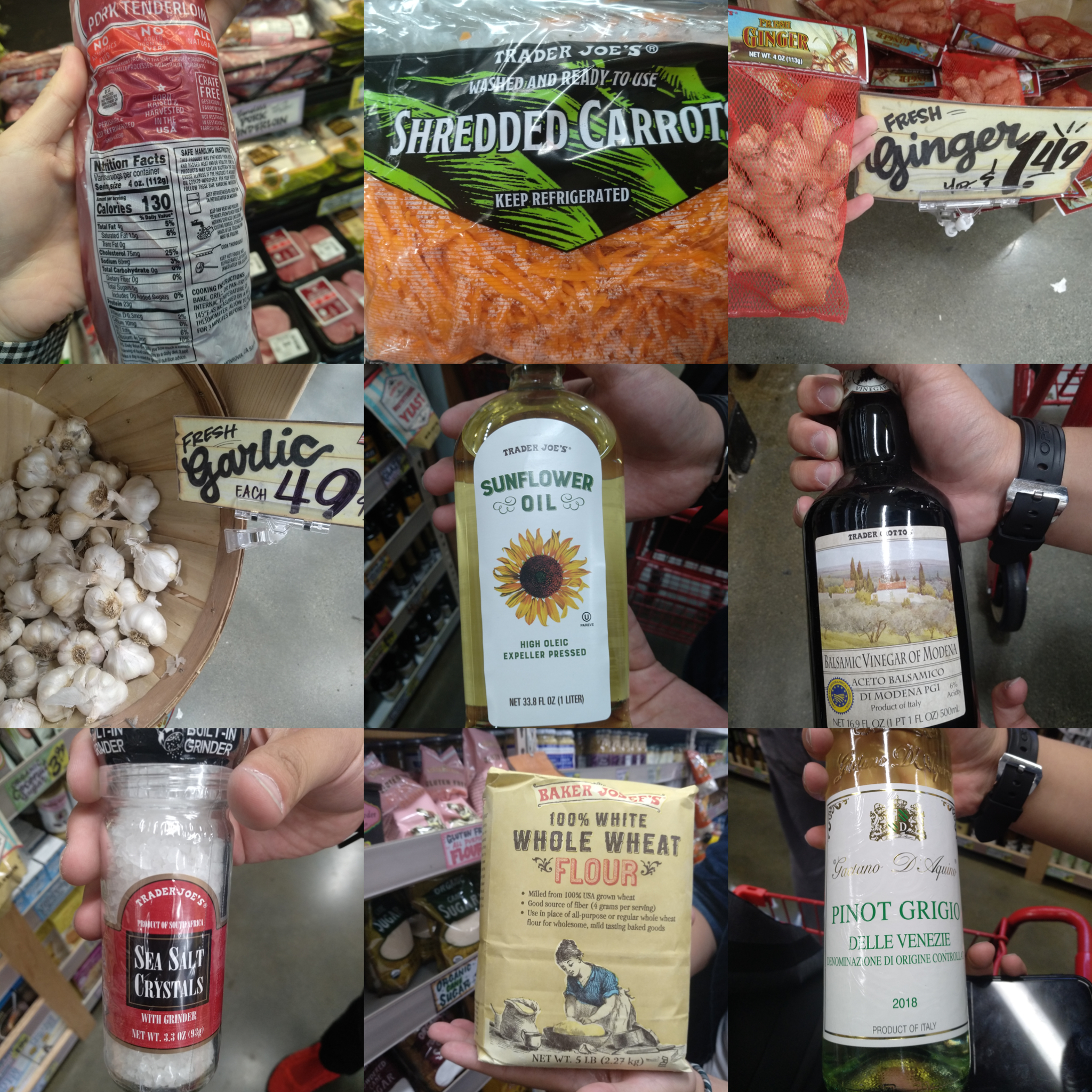
In the supermarket, we managed to find almost all the ingredients we need for our recipes, except for black fungus and bamboo shoots. After we asked the supermarket staff, she told us that she had not heard of these two vegetables, so we think that the United States probably does not grow these two kinds of food. But because we have found all the seasonings, the lack of these two ingredients will not affect the taste of the food too much.
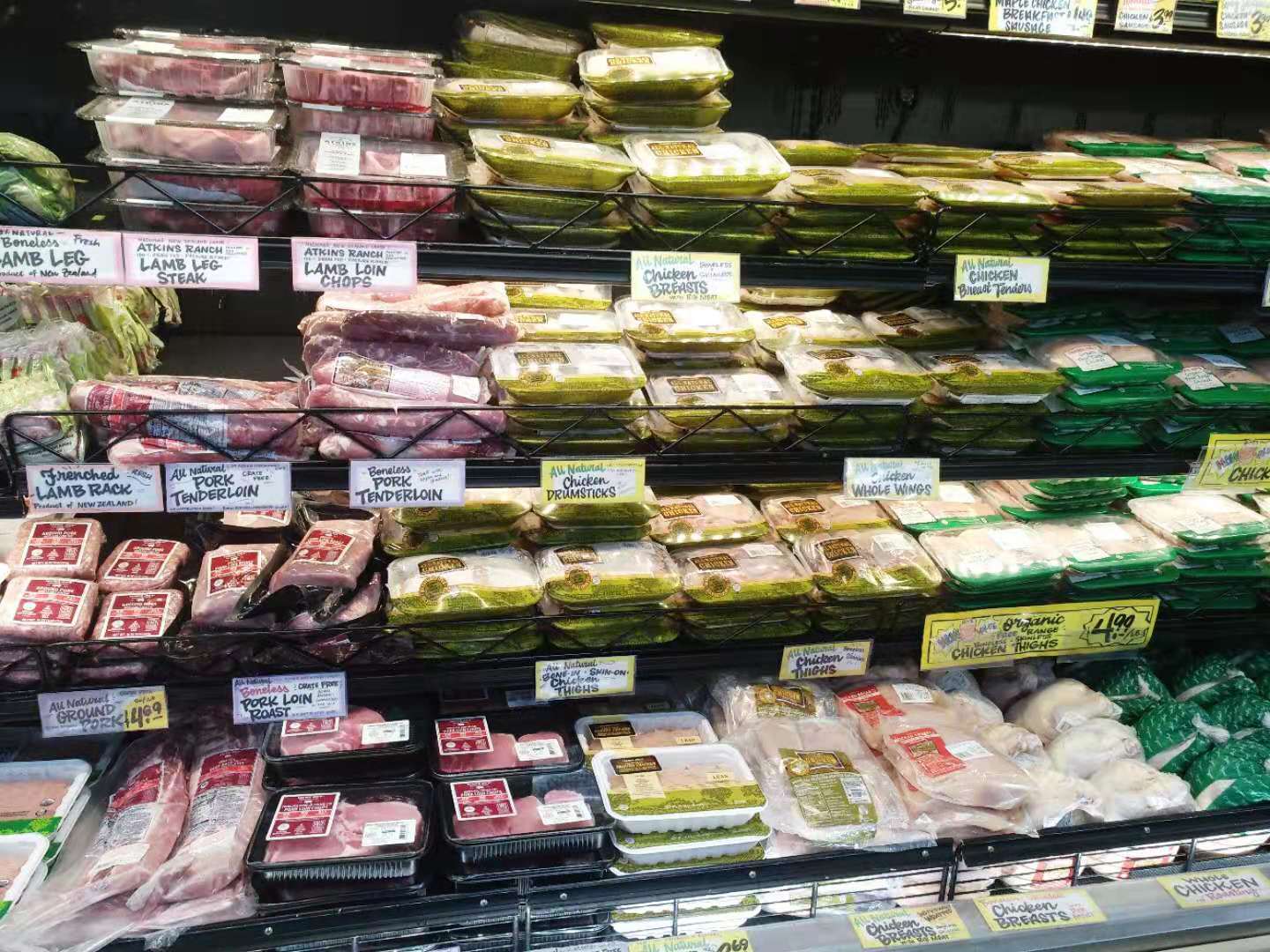
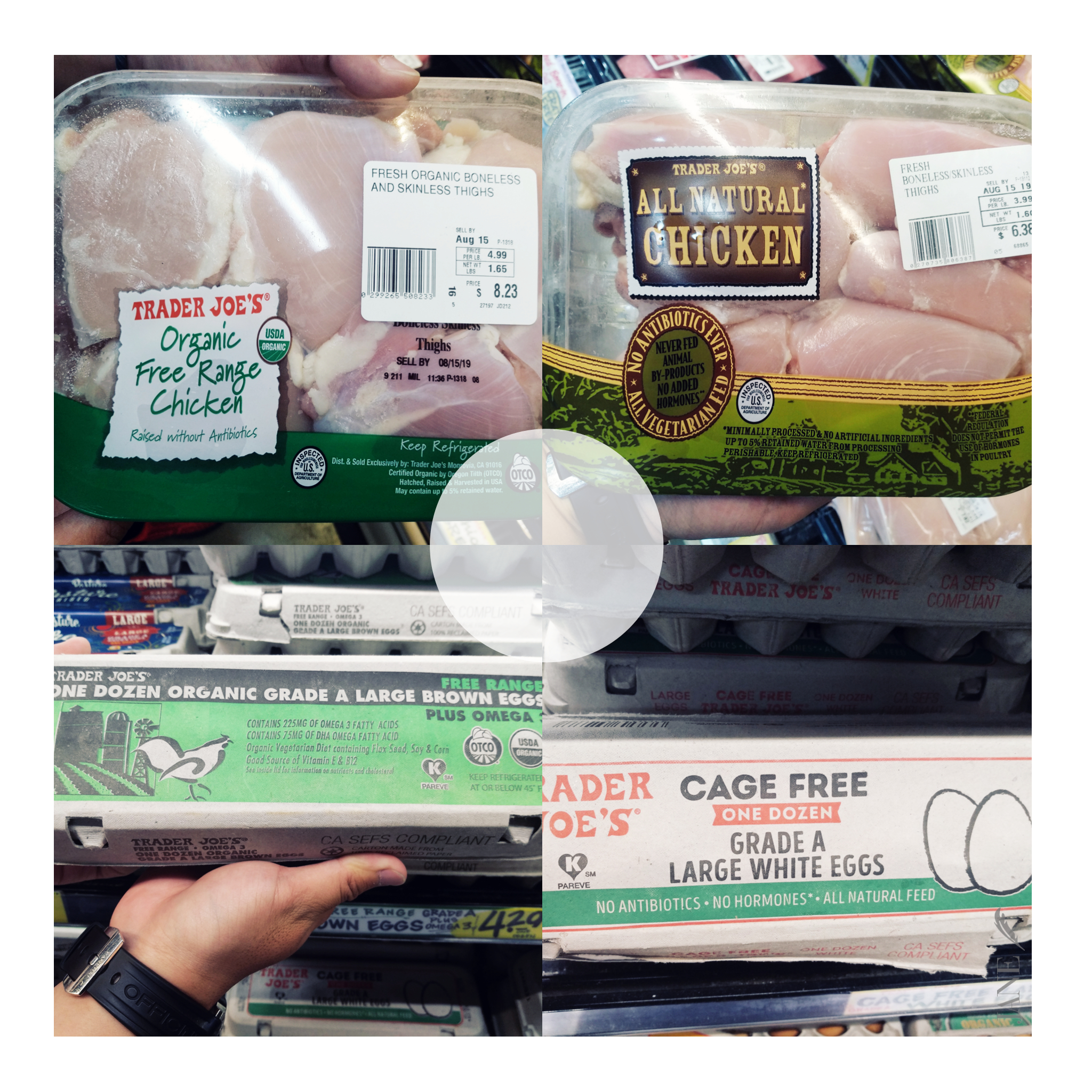
We observed the packaging of meat and found that some of them were sealed and some were packaged in boxes. They often had the name of the product on one side, and the content of various ingredients on the other side. Some of them also have safe handling instructions diagrams, and whether meat is organic or not will also be clearly marked on the packaging. The prices between organic and conventional produce do have differences. For example, the price of the organic chicken is 8.23 dollars, and conventional chicken only costs 6.38 dollars in similar packages. Similarly, in the case of similar packaging, the price of organic eggs is $4.29, almost twice the price of ordinary eggs. I think organic chicken looks fresher, but it’s probably because of a psychological effect. Eggs don’t look different from each other in appearance, but in our country, the yolk of organic eggs is usually a bit yellower. From the packaging point of view, organic meat and ordinary meat are still very different, because usually, organic food packaging will be greener. Unfortunately, without the pot, I cannot buy the ingredients back for a taste comparison.
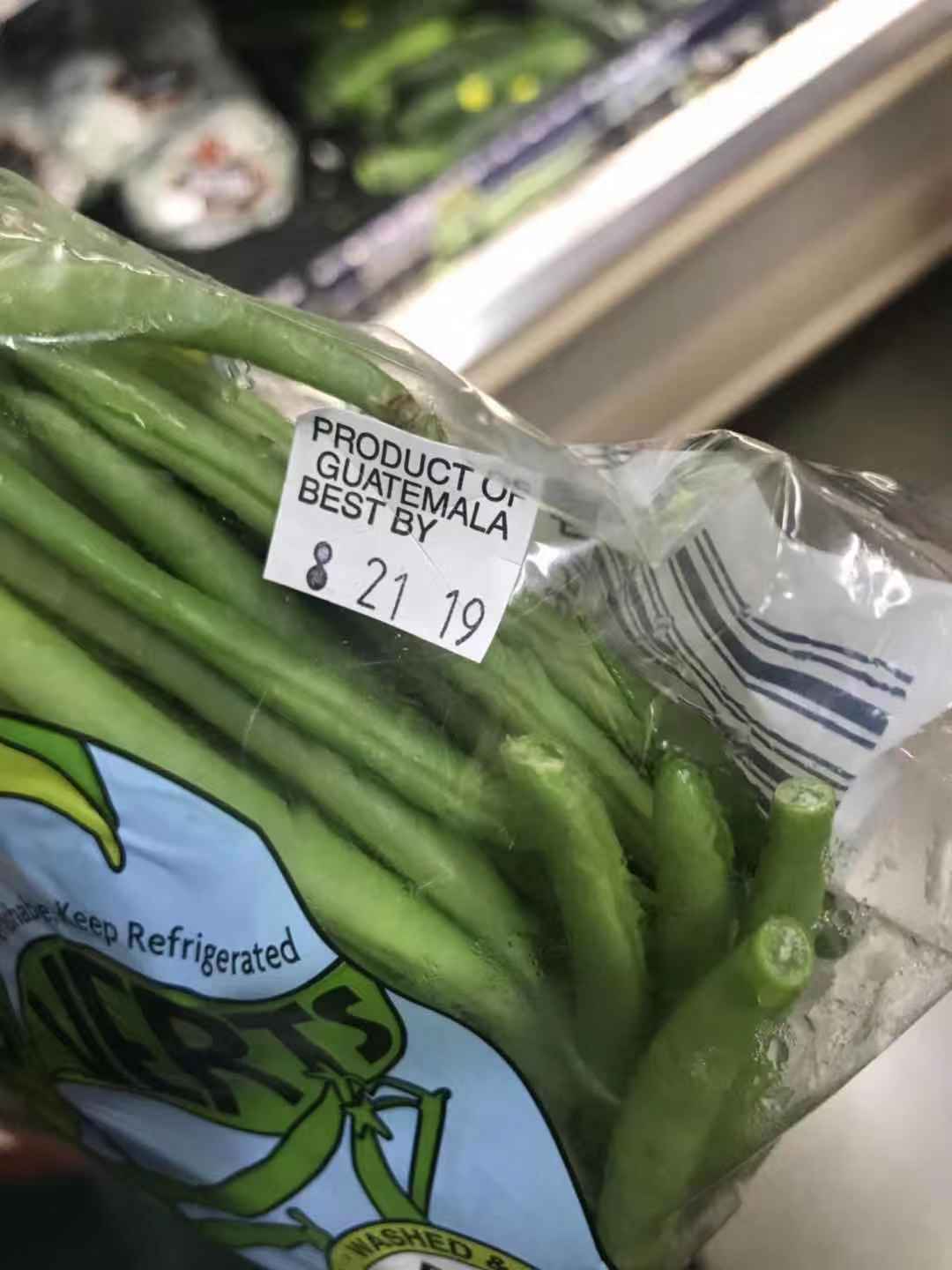
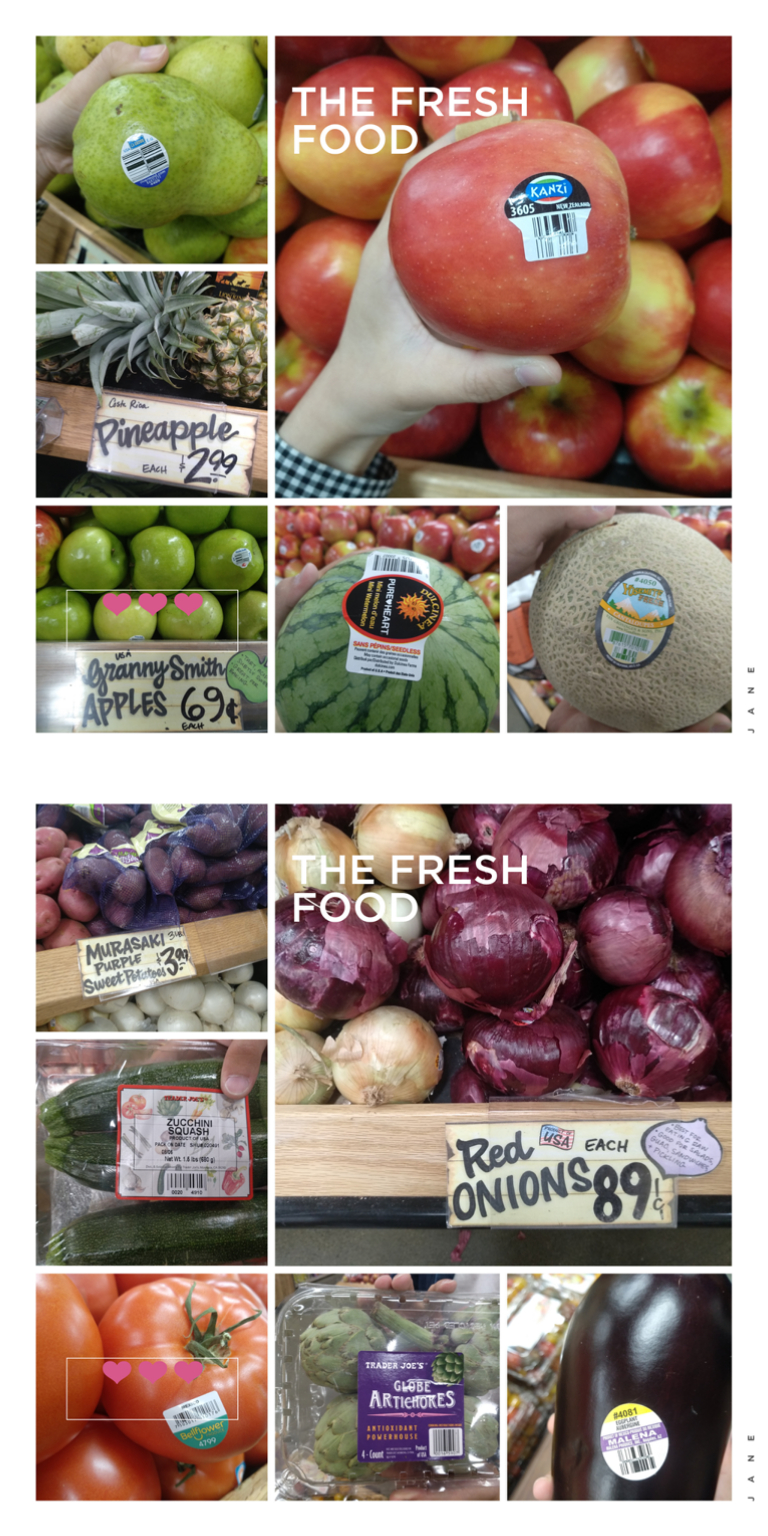
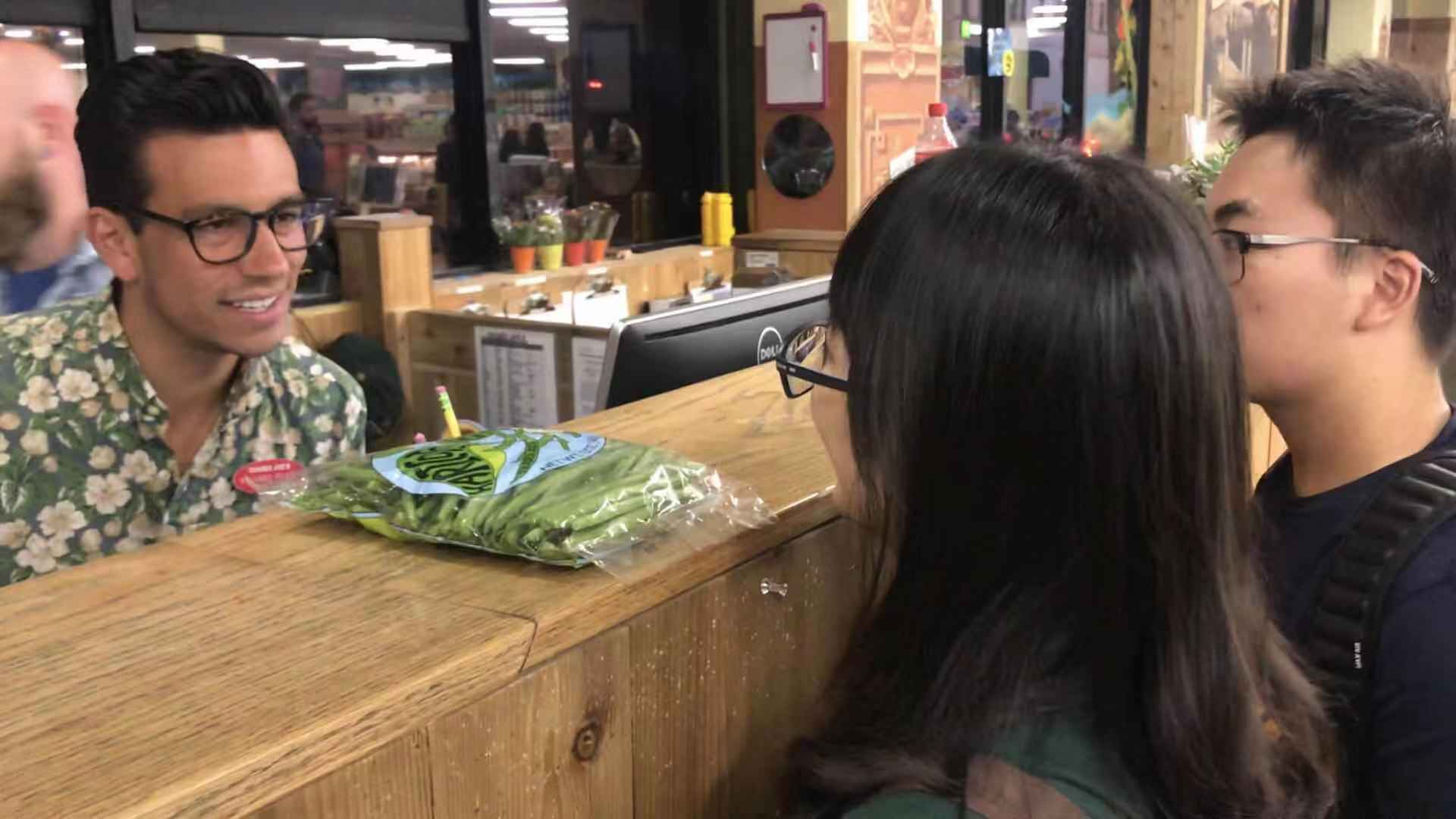
We took a lot of pictures of fruits and vegetables. After sorting them out, we found that the origins of these products were from the USA, Mexico, New Zealand, Costs Rica, Canada, Peru Guatemala, Vietnam, and Ecuador. Most fruits and vegetables are grown locally in the United States, accounting for about 60 percent. There is also much produce imported from Mexico, accounting for about 30 percent, and the remaining 10 percent comes from other countries. The supermarket marked out the origin of all the produce. We also found the produce department manager with a bag of green beans and asked where the food came from. At first, we saw the word Guatemala on the package, so we thought it may be originated from Guatemala. But the manager told us it wasn’t. The package was just packaged in Guatemala and transported to the supermarket. As for the place it locally grew, the manager also didn’t know. However, because this bag of green beans is too expensive and we have no chance to cook it, we finally put it back quietly. To avoid the staff in the produce department, we waited for over ten minutes before putting the beans back in place smoothly.😂
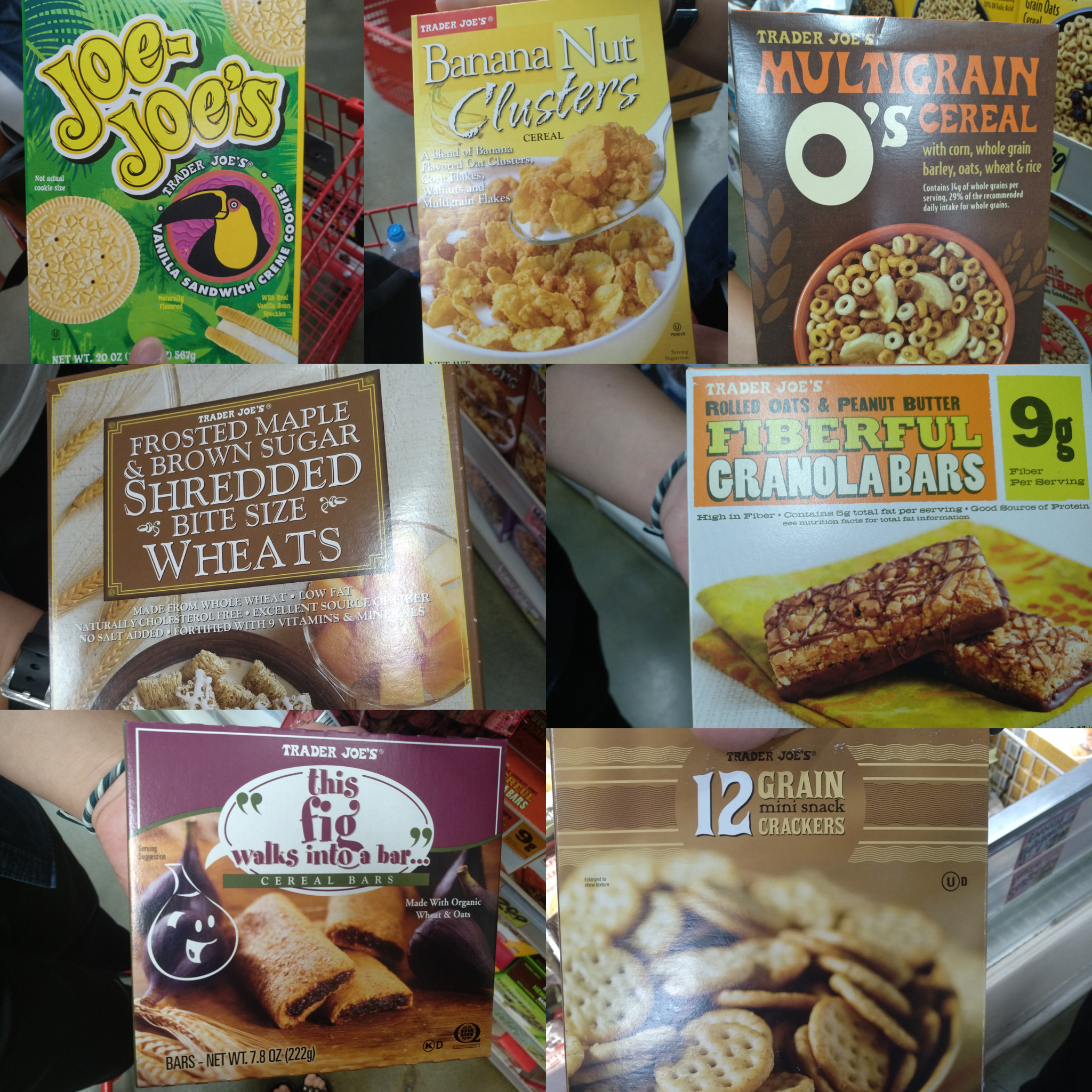
In the last, we went to the packaged food aisle, because we thought it’s not enough to just check on four products, so we checked the ingredients on seven items. Then we found that the corn-based ingredients were scattered in the ingredients list, and did not appear at the top of the list.

There is also an interesting thing that happened in the supermarket. A Chinese came to us for help twice because he couldn’t speak English. The first time he couldn’t find noodles, so we took him to find all the basic condiments and ingredients he needed; the second time was that because he didn’t know that the eggs in the supermarket could only be purchased in boxes and didn’t understand the English spoken by the staff, so he placed six eggs directly in the shopping basket, and we helped him translate what supermarket staff wanted to express. When we were looking for ingredients with him, I chatted with him and learned that his daughter is studying summer school here. He had just arrived in the United States to visit his daughter that day. Because his daughter was in class, so he first came out to buy the ingredients himself. No wonder he hasn’t had time to download the translation apps on his mobile phone.😄
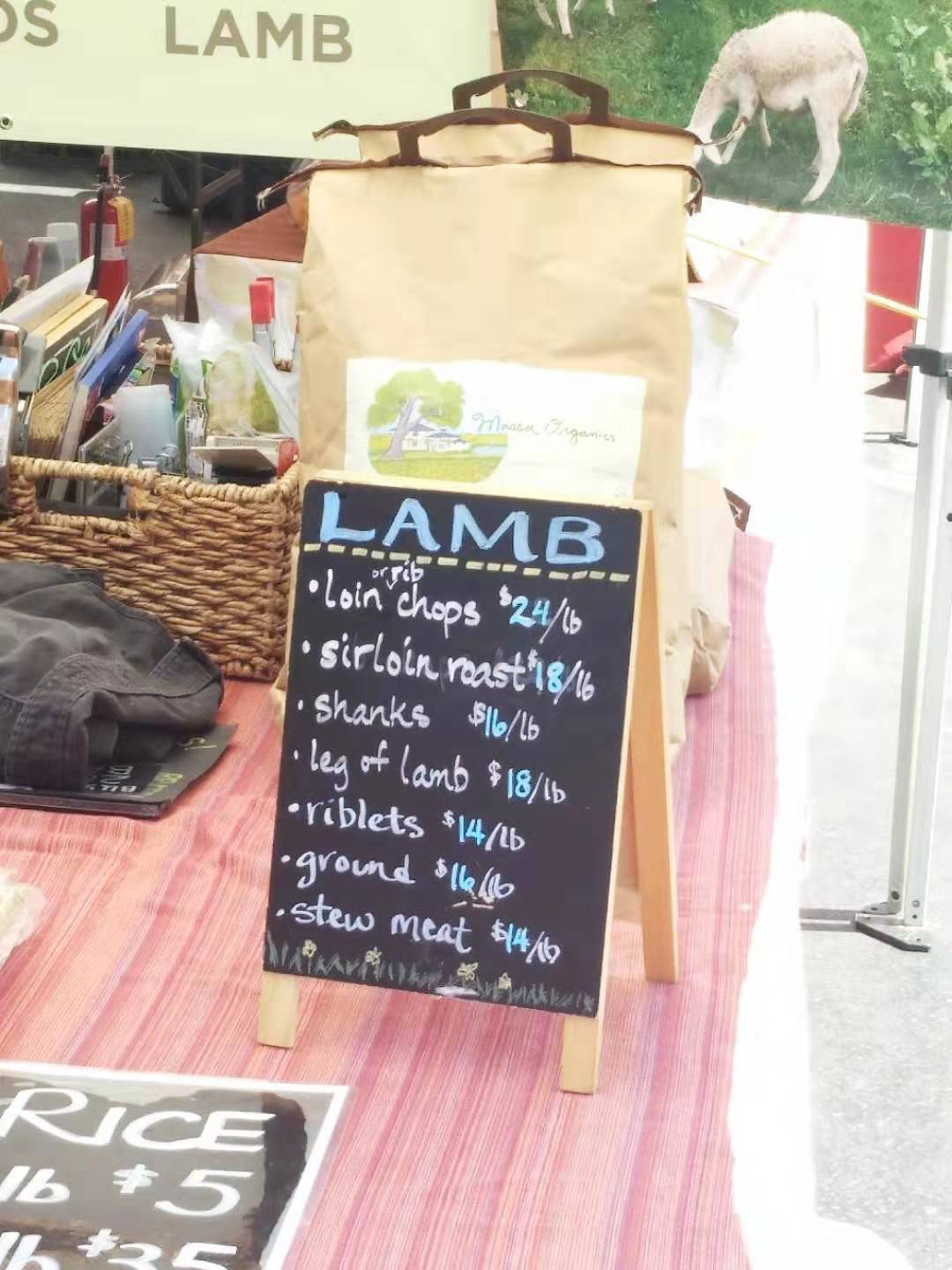
Leo, Siji Wang and I chose to go to the Temescal farmer market on Sunday. We arrived there at about 10 am and I think the farmer market is much busier than the supermarket. First, we drew a map of the market, and then we spent more than an hour in it. I think the biggest difference between a farmer’s market and a supermarket is that it’s open-air, The stalls are covered by a few sheds. Besides, most of the vegetables and meat are not packaged here, and some fresh meat and seafood are kept fresh with ice. The third difference is that many stalls hang large signs, often with the names, photographs or pictures of the farms. The fourth one is that, different from the separate pricing of all commodities in supermarkets, the prices of some food in the farmer market are written together.

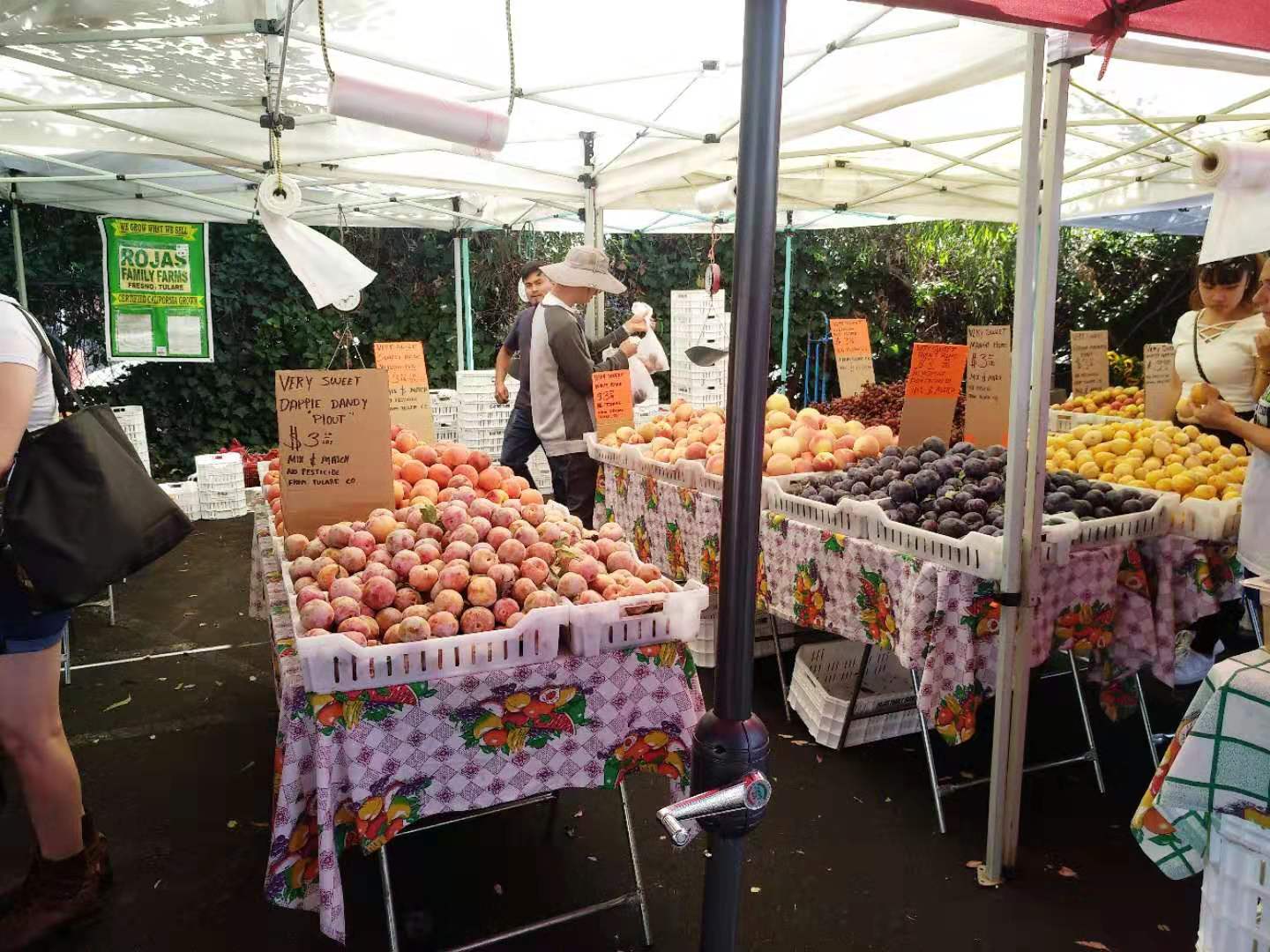
In addition to these differences, I also noticed that there are many different kinds of peaches on the market. There are three peach stalls in this market and each with dozens of different peaches. In one of the peach stalls, it has twelve different kinds of peaches: Artist Queen, Cpal, Snow King, Arctic Supreme, Spice Zee, Flavor King, Flavor Queen, Honey Royale, Candy Heart, Zee Lady, Fantasia, Zee Glo. There are also a wide variety of products in this market, including seafood, beer, fruits, vegetables, eggs, olives, cloth goods, honey, flower, sauce & juice, ice cream, bread, and rice.
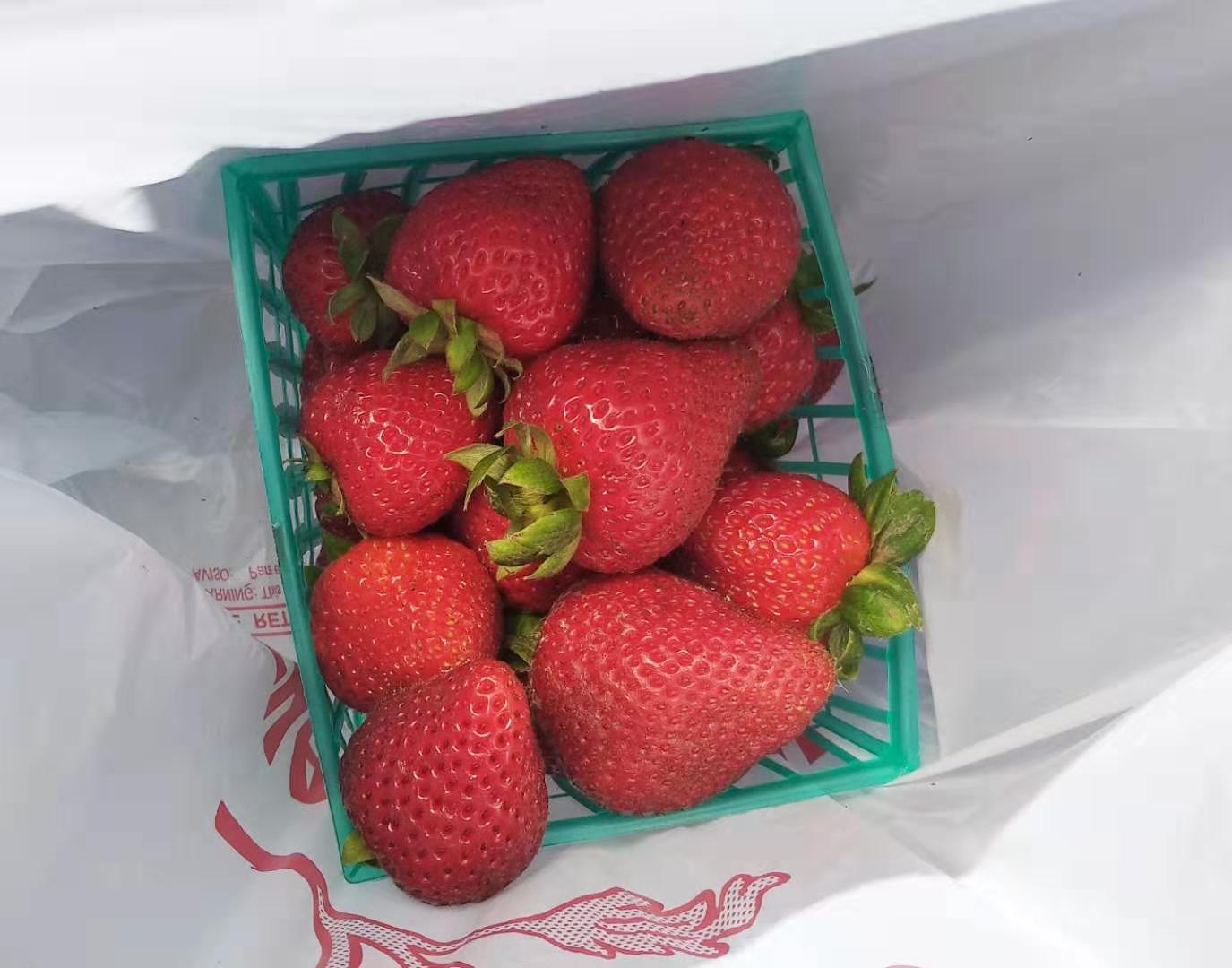
Siji Wang bought a box of strawberries, so we asked the vendor about the distance the strawberries were transported by the way. The vendor said he drove about 80 miles from the farmer’s market and drove for about an hour and a half. We also tried to find the ingredients for our recipe here, but unfortunately, we still cannot find the black fungus and bamboo shoots. And I think the ingredients in the farmers market are more expensive. For example, The pork tenderloin we found in the supermarket is 7.79 dollars for 1.28 lb. and the pork we found in the farmer market is 14 dollars for 1 lb.
After going to the supermarket and the farmer market respectively, I think if I have time, I will choose to go to the farmer market. Part of the reason for going to the supermarket is convenience. I prefer the farmer market because this direct-production and direct-sale method are more reassuring to consumers. If you are worried about the quality of food, you can also ask the growers directly. Compared with supermarkets in the United States, Chinese supermarkets sell similar goods, but the scale of the supermarkets tend to be larger. In China, two or three-layer supermarkets are quite common. The Chinese farmer market is quite different from that of the United States. On the one hand, our market is indoors, so it tends to be damp and the environment is not particularly good. On the other hand, the Chinese farmer market is open every day and do not have a time limit. Because I don’t like the environment of the Chinese farmer markets, unless I want to buy special fresh ingredients, I usually choose to go to the supermarket.
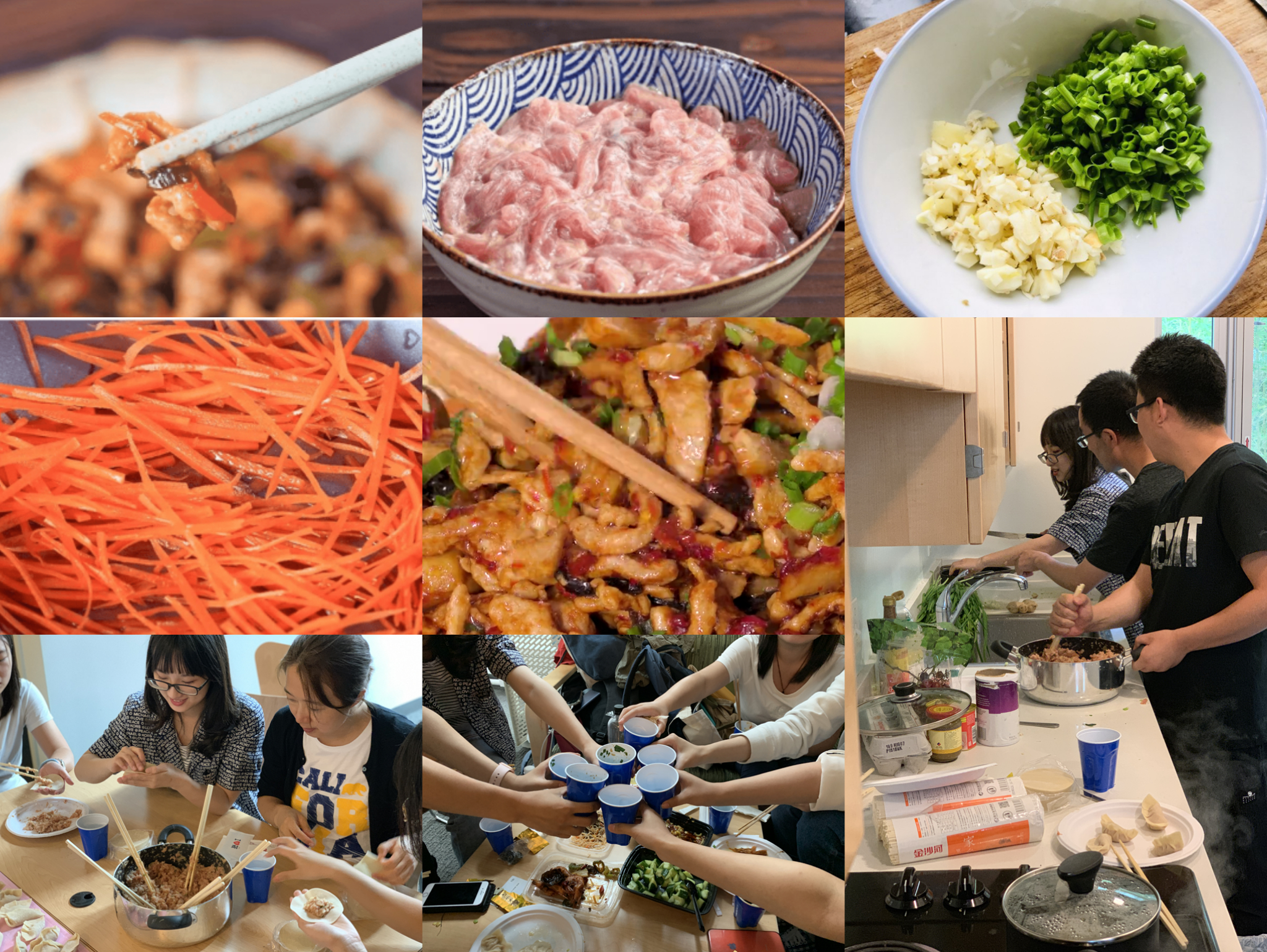
I chose to make fish-flavored shredded pork when I had a dinner last week. Last Saturday we not only made dumplings, but also made some traditional Chinese dishes. With the ingredients I bought, I cooked the dish successfully.
We mainly talked about food safety issues in the United States last week. In fact, not only in the United States but also in China, there are also food safety problems. For example, some small workshops and factories not only produce food in the environment that does not meet the hygienic standards, but also use gutter oil, and even use non-fresh ingredients and leftovers, which will cause great harm to the human body. But this is different from the food safety problem in the United States. The food safety problem in the United States is rooted in food sources. Several of the largest food companies in the United States have mastered almost all of the production of vegetables, fruits, and meat in the United States. Their internal operations are very complex and even there are many illegal deals. It is difficult for consumers to know the real information about the food they buy. I think like ordinary people, we can not rely on our strength to make changes to this phenomenon, the only thing we can do is to minimize the purchase of substandard products, such as reducing the purchase of mass-produced ordinary chicken breast.
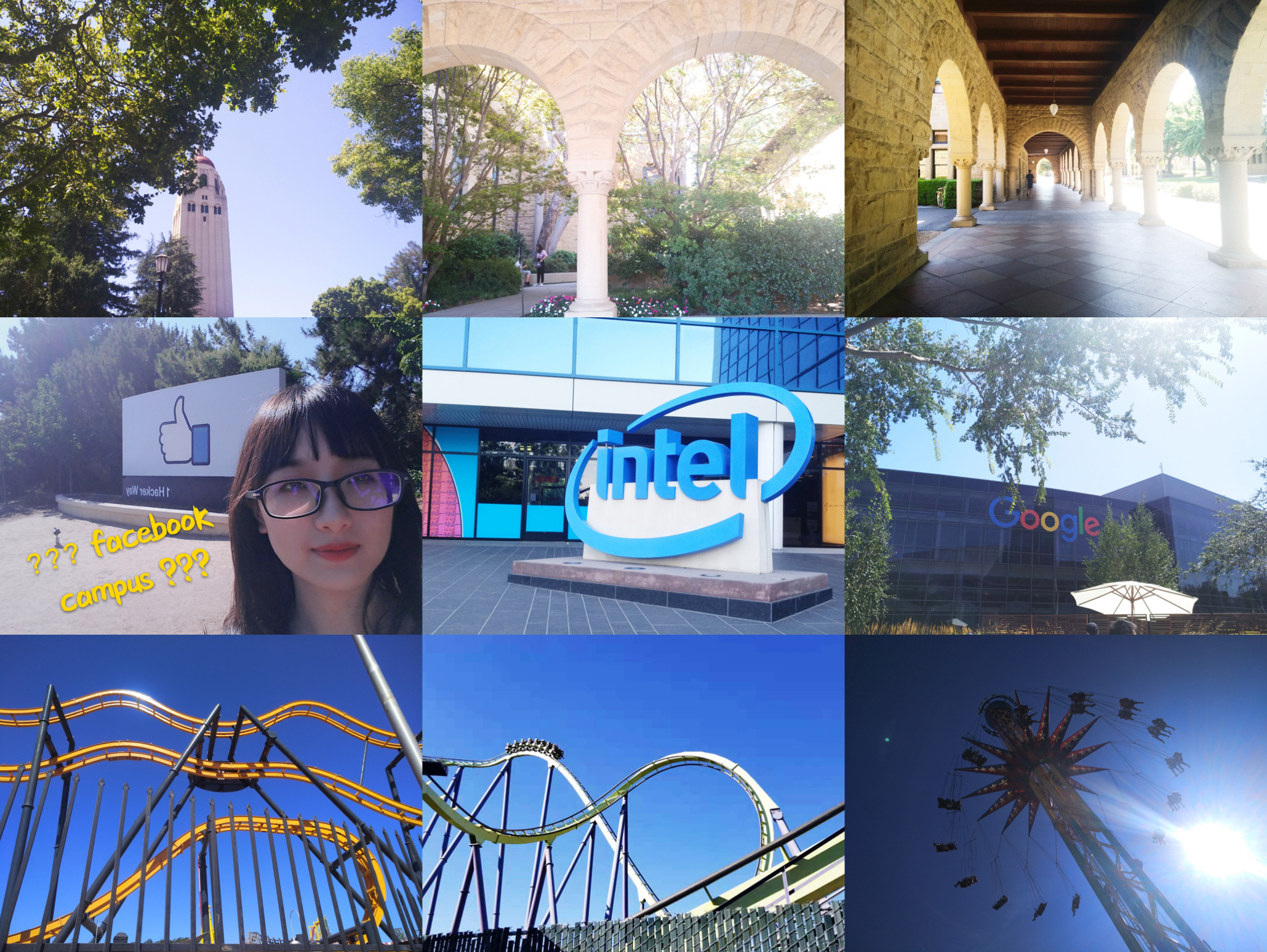
Except for what I learned in the last week, I would also like to say some other things. In addition to my studies in recent weeks, I have also visited many places, such as Six Flags Discovery Kingdom, Union Square, Silicon Valley, and Stanford. Because I do not have enough time, there are still many places I didn’t go. Nearby places like California Academy of Sciences and far away places like Yosemite and Los Angeles, I really want to Universal Studios and Disneyland😭. Although there are many opportunities to come here in the future, I still feel a little pity.
Through these weeks of study and life in the United States, I have also found that both China and the United States have their advantages. For example, China’s takeaway and online payment are developed. We can pay online mainly by WeChat and Alipay, which can bind bank cards, and these apps also carry their online wallets. Although too much reliance on online payment will lead to some personal information insecurity problems, since these apps themselves don’t have any information leakage scandals that damage their reputation, so using these apps for daily payment is indeed recognized by most Chinese people. With online payment, we can save the trouble of carrying cash and bank cards every day. We only need a mobile phone to solve everything, which further reduces the risk of being stolen. And the United States has done a lot more in social welfare facilities than China. After my observation, I found that almost all toilets in the United States are equipped with disposable cushions, and also have special places for the disabled. China’s welfare facilities for the disabled are not in place, so wheelchairs are seldom seen on the streets. Even if there are, people sitting in wheelchairs must be accompanied by their families. A large part of the reason for this phenomenon is that China’s welfare facilities (including those for the disabled) are quite inadequate, and it is very inconvenient for the disabled to live by themselves.
Besides, I would like to talk about the problem of people’s courtesy in China. I have admitted that there are differences in people’s courtesy of China and the United States. I was born in Wuxi, Jiangsu Province, and In recent years, I have been studying at Beijing’s University(not Peking University), both of which belong to the developed areas of China. I stayed in the urban area when I was in my hometown, and I stayed in school when I was in Beijing. So I have no intuitive feeling about the people’s courtesy. But once you go to the edges and suburbs of the city, to some scenic spots with a large flow of people, or less developed areas of China, you can feel the differences in people’s courtesy. A big reason for the low courtesy of the people is the lack of education. Many people without a good education will be difficult to have a higher courtesy. China’s education is also a big problem: On the one hand, China has a large population base. Although China has a nine-year compulsory education system, the quality of education cannot be guaranteed, nor can it achieve full coverage of the population. On the other hand, compared with developed countries, China’s investment in education is not high, and How can a country that does not pay enough attention to education have the ability to improve its people’s courtesy? Moreover, the lack of education of the citizens will not only bring about the problems of people’s courtesy but will also affect the social atmosphere, the academic atmosphere, and the scientific research atmosphere. I think this aspect is something the Chinese government should consider and adjust accordingly.
In the end, what I want to say is that I really like to write blogs. I can express my opinions freely on this platform. Even if there is no blog homework in the future, I hope that I can stick to write blogs.😊
 Abby's blog